uPVC vs Aluminium Windows: Which Is Right for Your Home?
Choosing new window frames is one of the most important decisions a homeowner can make, and comparing uPVC and aluminium windows helps clarify which material suits your home's needs.
Thermal Performance
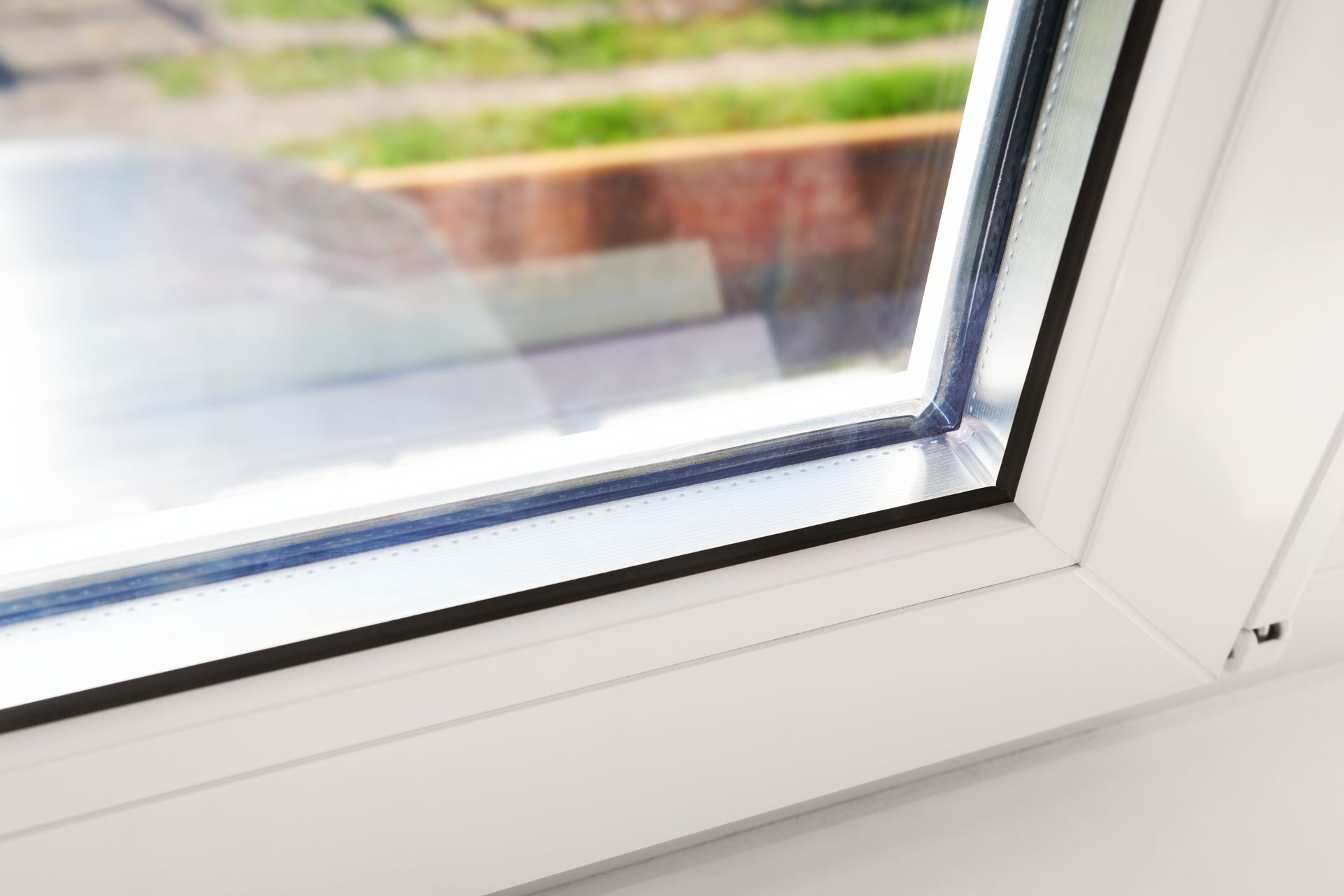
Both frame types can deliver strong insulation when paired with double glazing. uPVC frames are poor conductors of heat, so they do not transfer warmth in or out as readily as metal frames. Aluminium frames, when fitted with a thermal break, can also perform well in cooler climates. Sandy Bay, TAS, sits alongside the Derwent River and experiences cold southerly winds in winter, so insulation matters for both frame types.
What Is a Thermal Break?
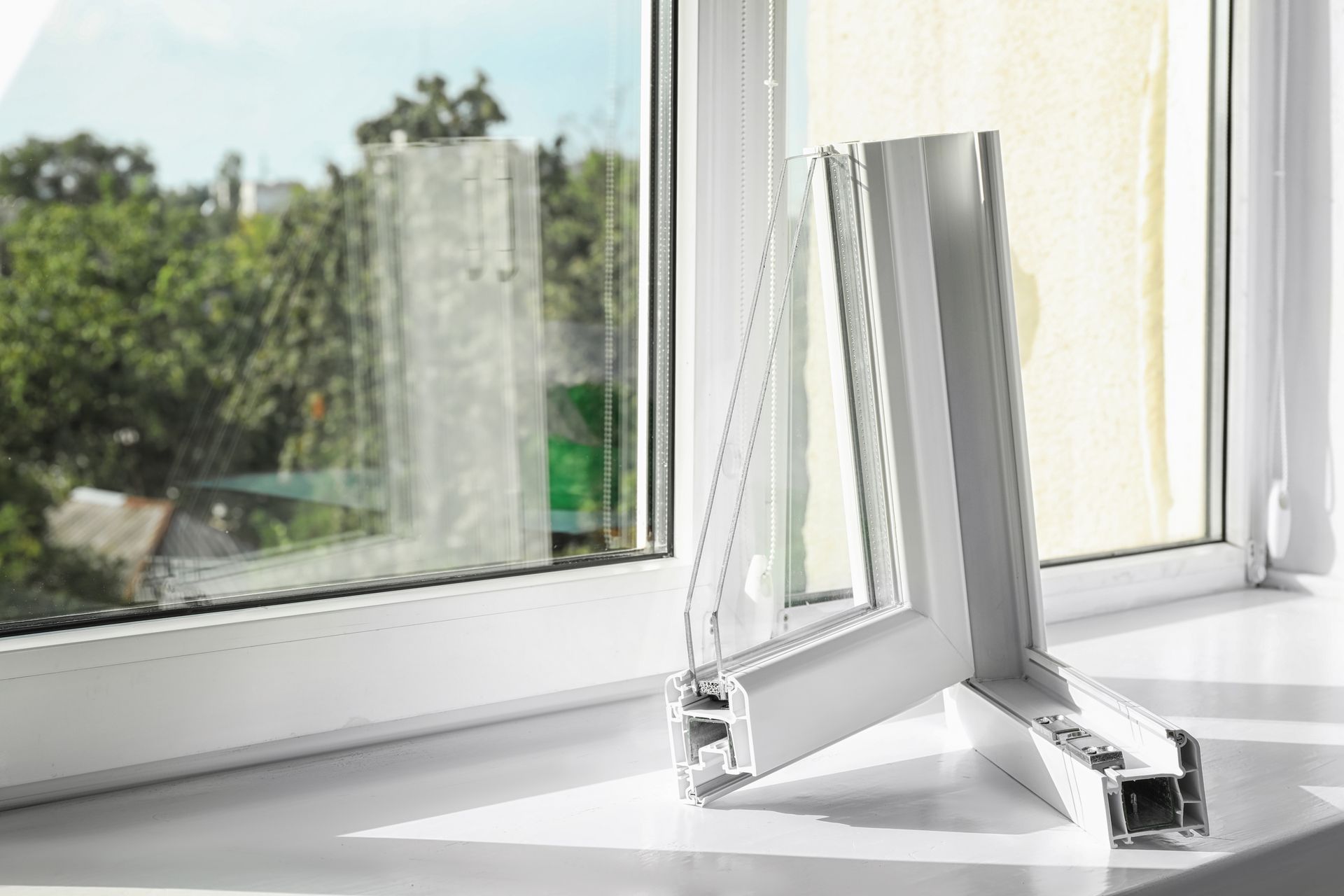
A thermal break is a non-metallic strip inside the aluminium frame that interrupts heat flow between the interior and exterior. Without one, bare aluminium frames can feel cold to the touch in winter. Modern aluminium windows with thermal breaks narrow the performance gap considerably against uPVC.
Durability in Sandy Bay's Coastal-Adjacent Climate
Sandy Bay homes face salt-laden air carried in from the Derwent and Storm Bay. Aluminium is highly resistant to corrosion, especially when finished with a quality powder coat. Marine-grade powder coating can offer protection backed by warranties of 15 years or more in coastal settings. uPVC also resists salt spray and moisture without rusting or rotting, making both materials suitable choices near the water.
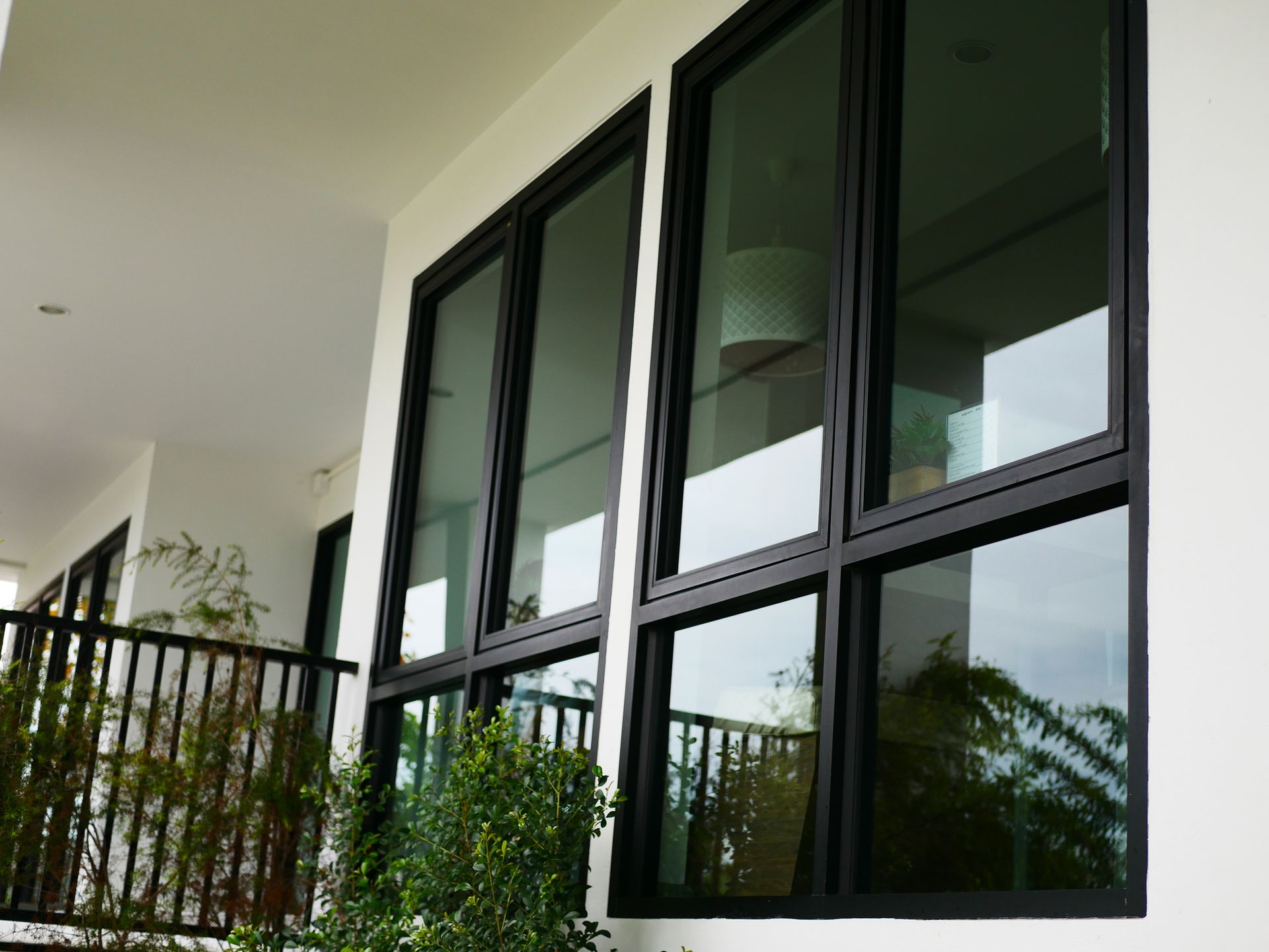
The key difference is longevity under physical stress. Aluminium frames are structurally stronger and can support larger glass panes with slimmer profiles, which is useful in exposed positions that face river winds.
Aesthetics for Period Homes
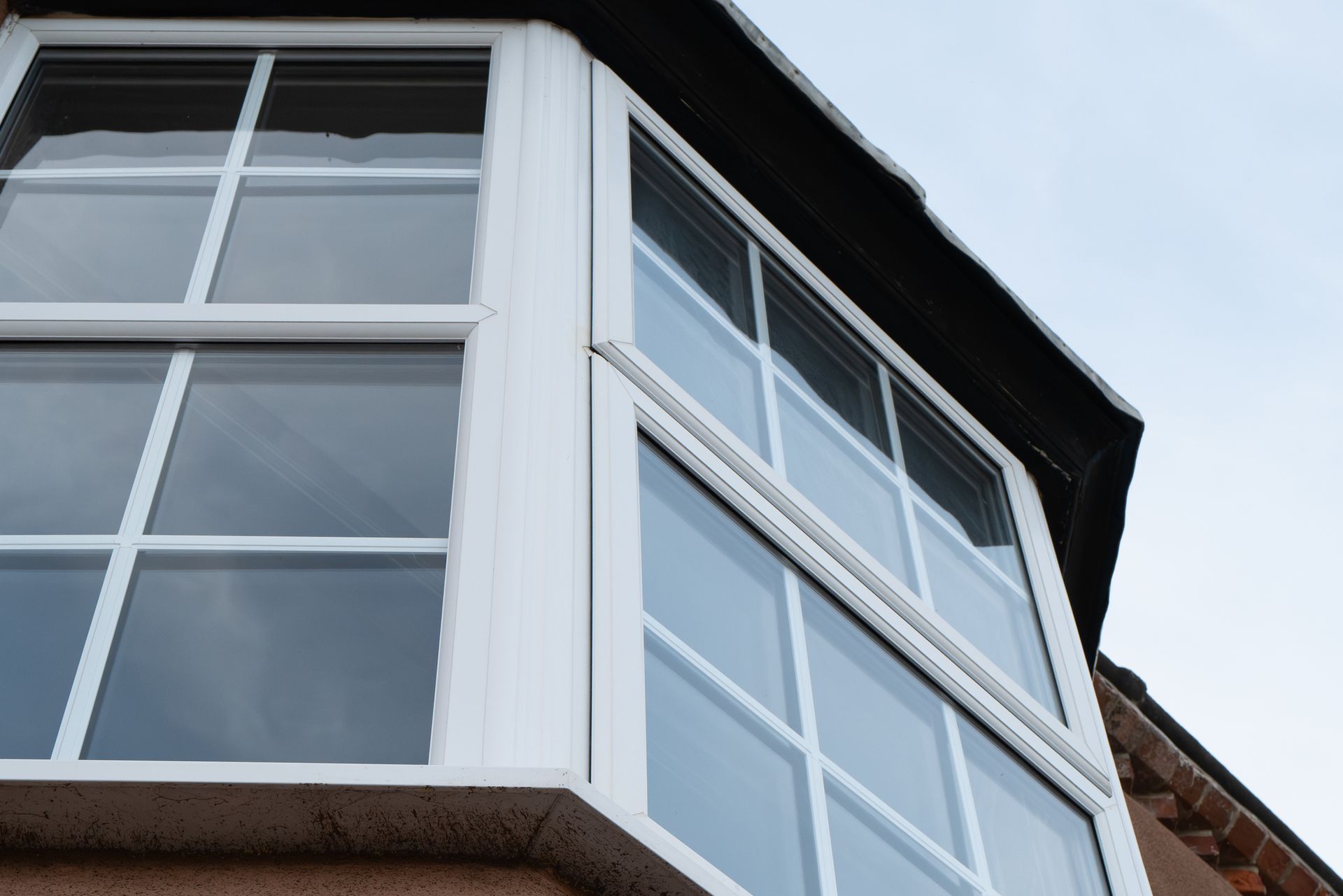
Sandy Bay is known for its elegant Victorian and Federation-style homes, including noted heritage properties along its tree-lined streets. Aluminium windows in Sandy Bay, TAS, can be powder-coated across a broad Colorbond colour range, from earthy neutrals to deep charcoals, making it straightforward to complement period exteriors. Slimmer aluminium sightlines may also suit the proportions of older double-hung and bay window designs more closely than the thicker frames typical of standard uPVC profiles.
uPVC is available in white and a limited palette of colours. For homeowners matching a heritage palette or dealing with council heritage overlay requirements, the wider Colorbond range available in aluminium can offer more flexibility.
What About Cost?
uPVC frames generally carry a lower upfront price point than aluminium. Aluminium typically costs more initially but can offer a longer service life and a broader range of finishes. When double glazing is added to either frame type, the energy savings over time may offset some of the difference in initial outlay.
Which Option Suits Your Home?
The right choice depends on your priorities. uPVC may suit homeowners focused on thermal performance and budget. Aluminium may suit those prioritising aesthetics, structural strength, slimmer sightlines, and a wide colour range for heritage or coastal properties along the Derwent.
Talk to the Local Specialists
For tailored advice on aluminium windows and uPVC options, Tasmade Window Replacements can help you compare choices for your home. Explore their window replacement services or get in touch for a free quote. Call 03 6272 8416 to speak with the team today.