
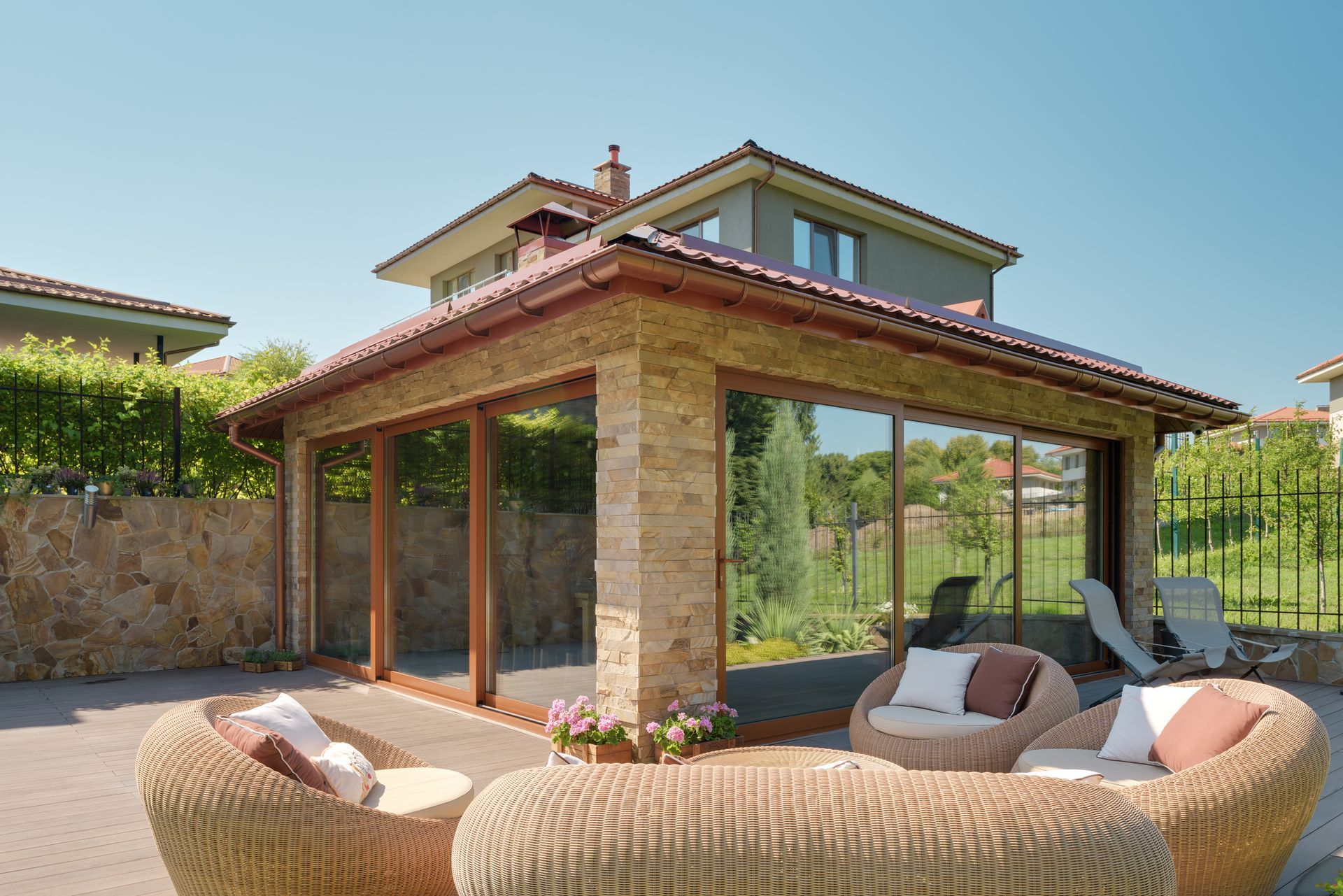
Learn which sliding patio doors suit Lindisfarne homes in 2026. Compare types, materials, and more. Click to contact Tasmade Window Replacements.
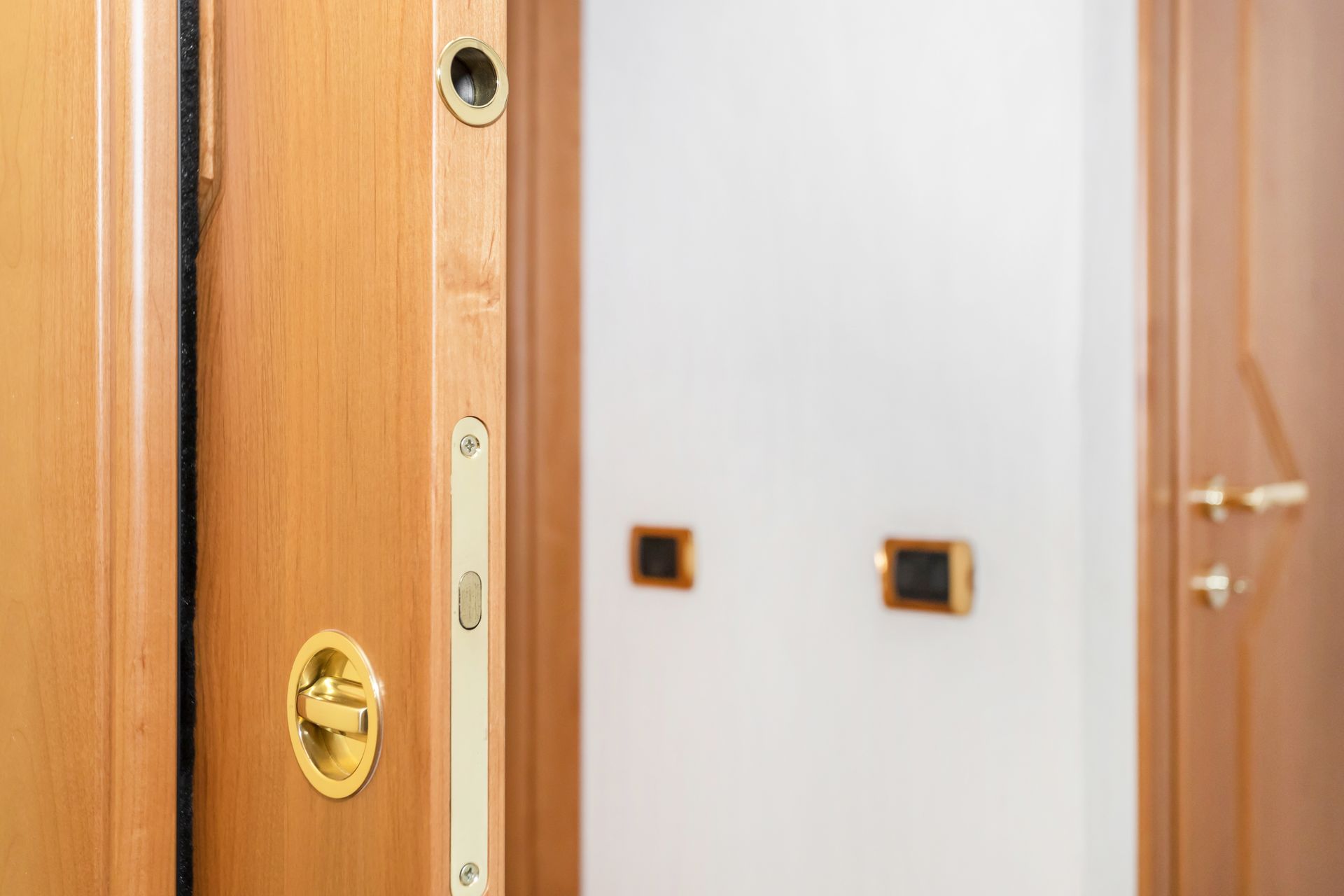
Learn how to choose the right sliding door fittings for you. Tasmade Window Replacements serves Cambridge with expert advice and solutions. Click for info.
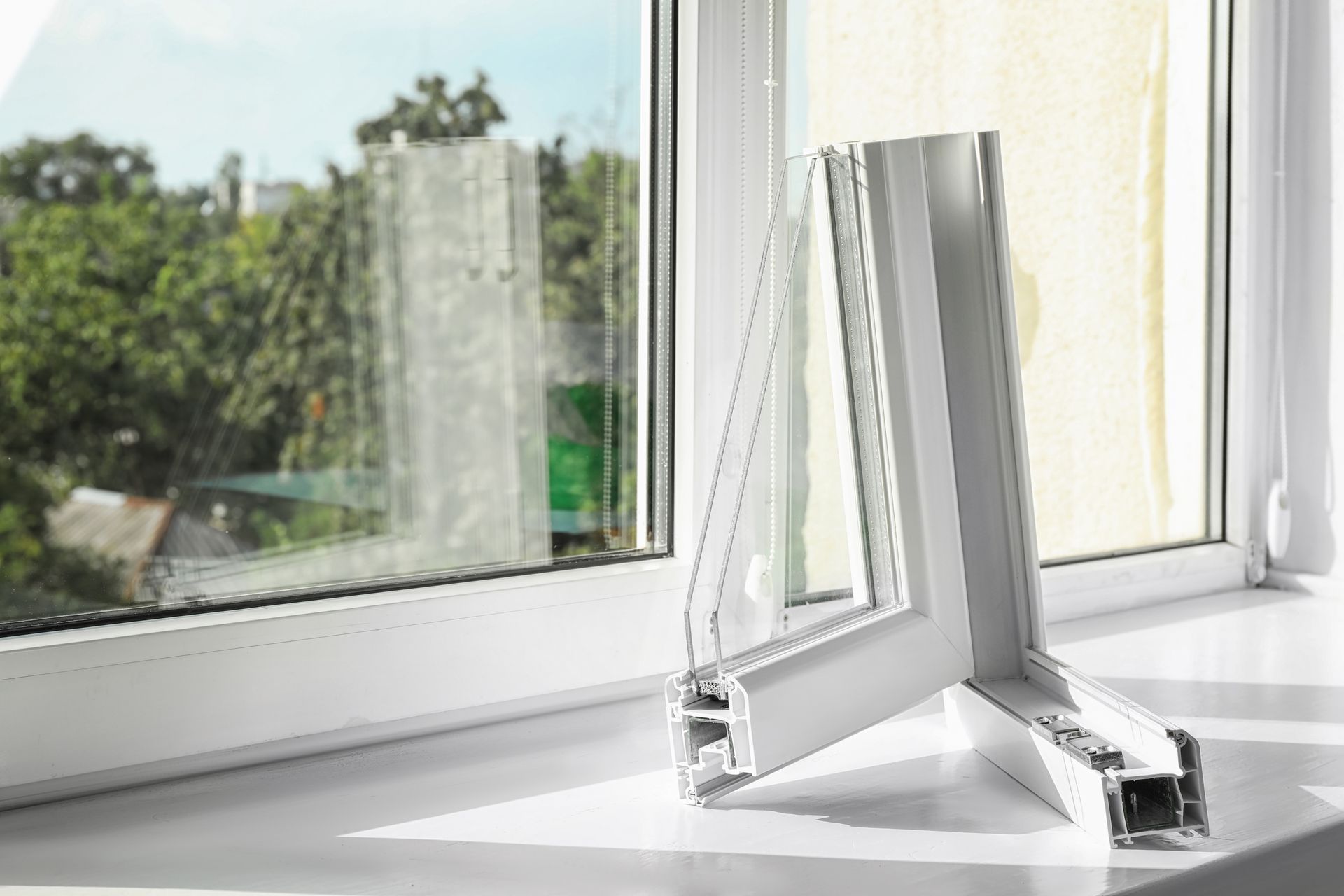
Aluminium windows in Bellerive, TAS, are a smart upgrade for Eastern Shore homeowners facing the suburb's distinct coastal and climatic conditions. This post covers why aluminium suits the local environment, which window styles are most practical, how aluminium compares to uPVC in a Tasmanian context, and how to get a quote from a local specialist.
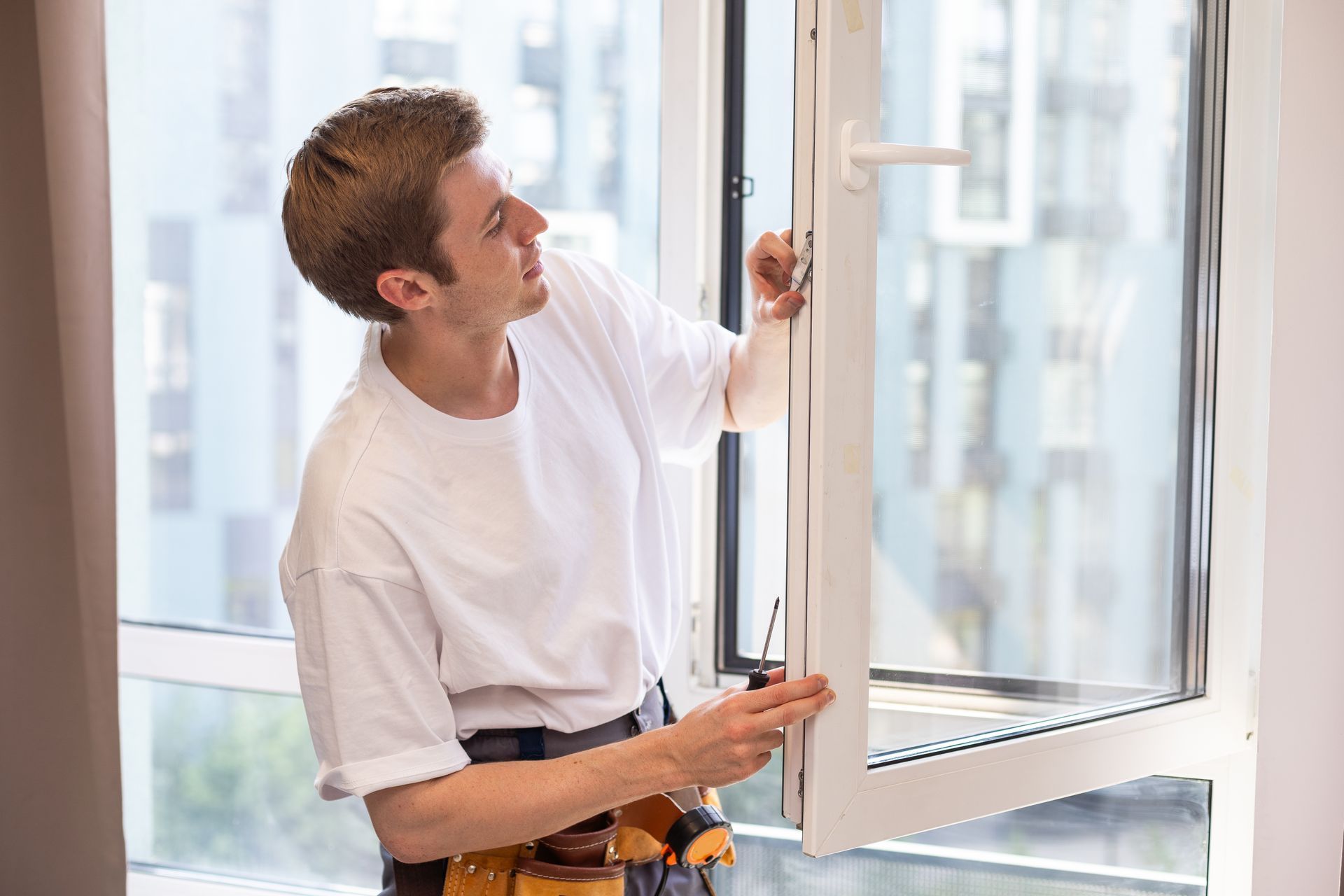
Windows play a crucial role in the comfort, efficiency, and security of your Tasmanian home. Many older properties still have timber, steel, or older aluminium windows that struggle to protect against cold winters, noise, and rising electricity costs. Recognising when your windows need replacing with double-glazing can make a significant difference to how your home feels and performs day to day. Trust in double-glazing window specialists for Hobart and Surrounding Areas, from the experts at Tasmade Window Replacements to do the job.
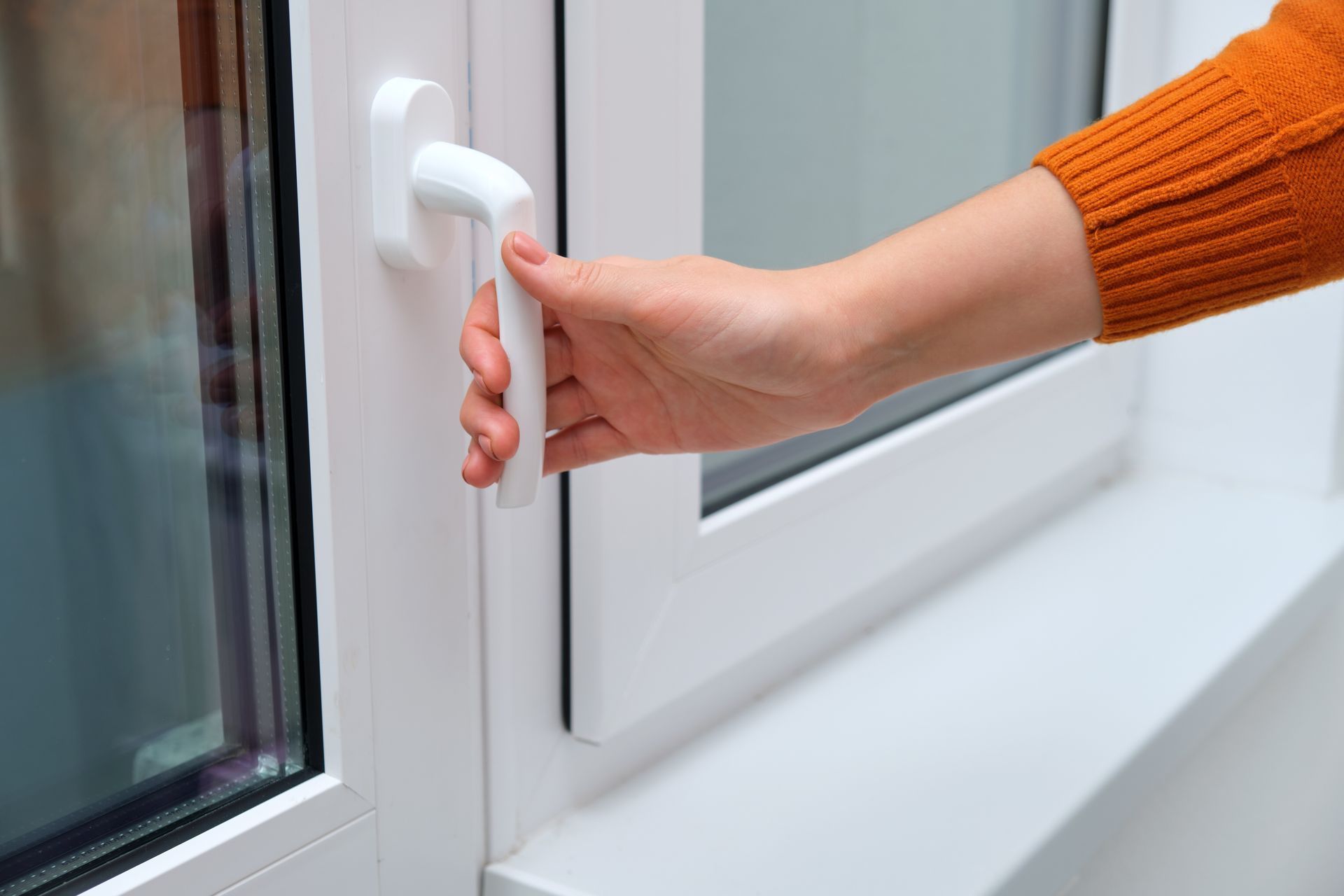
When considering double-glazed windows for Hobart, TAS, the conversation often begins with energy efficiency. While the remarkable thermal performance of quality double-glazing is well established, there’s much more on offer for local homeowners. At Tasmade Window Replacements, we believe that choosing the right windows is a decision that impacts your comfort, lifestyle, security, and even your property’s overall appeal. Here, we delve further into the real-world benefits of these windows, showing how this upgrade can transform Tassie homes beyond just reducing energy bills.
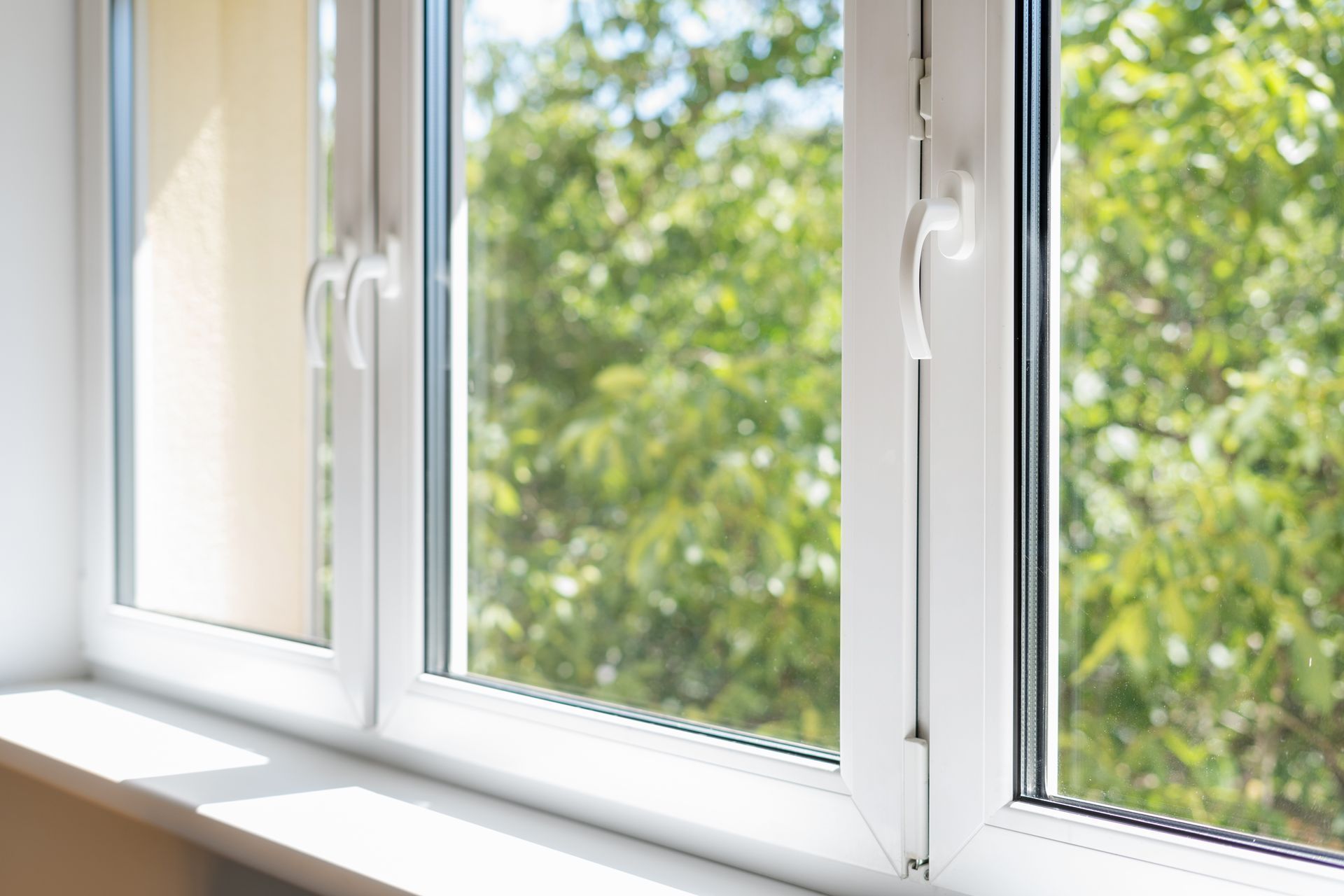
As a homeowner in Hobart, you’re no stranger to the distinct challenges of our local climate. Our winters can be brisk and damp, while our summers bring surprising warmth and intense sunlight. This constant battle to maintain a comfortable indoor temperature often sees heating and cooling systems working overtime, leading to steep energy bills. However, a highly effective solution lies in upgrading your home's most vulnerable points: the windows. Modern residential aluminium windows in Hobart, TAS , are engineered specifically to combat these issues, transforming your home into a bastion of efficiency and comfort while delivering substantial savings on your energy costs.
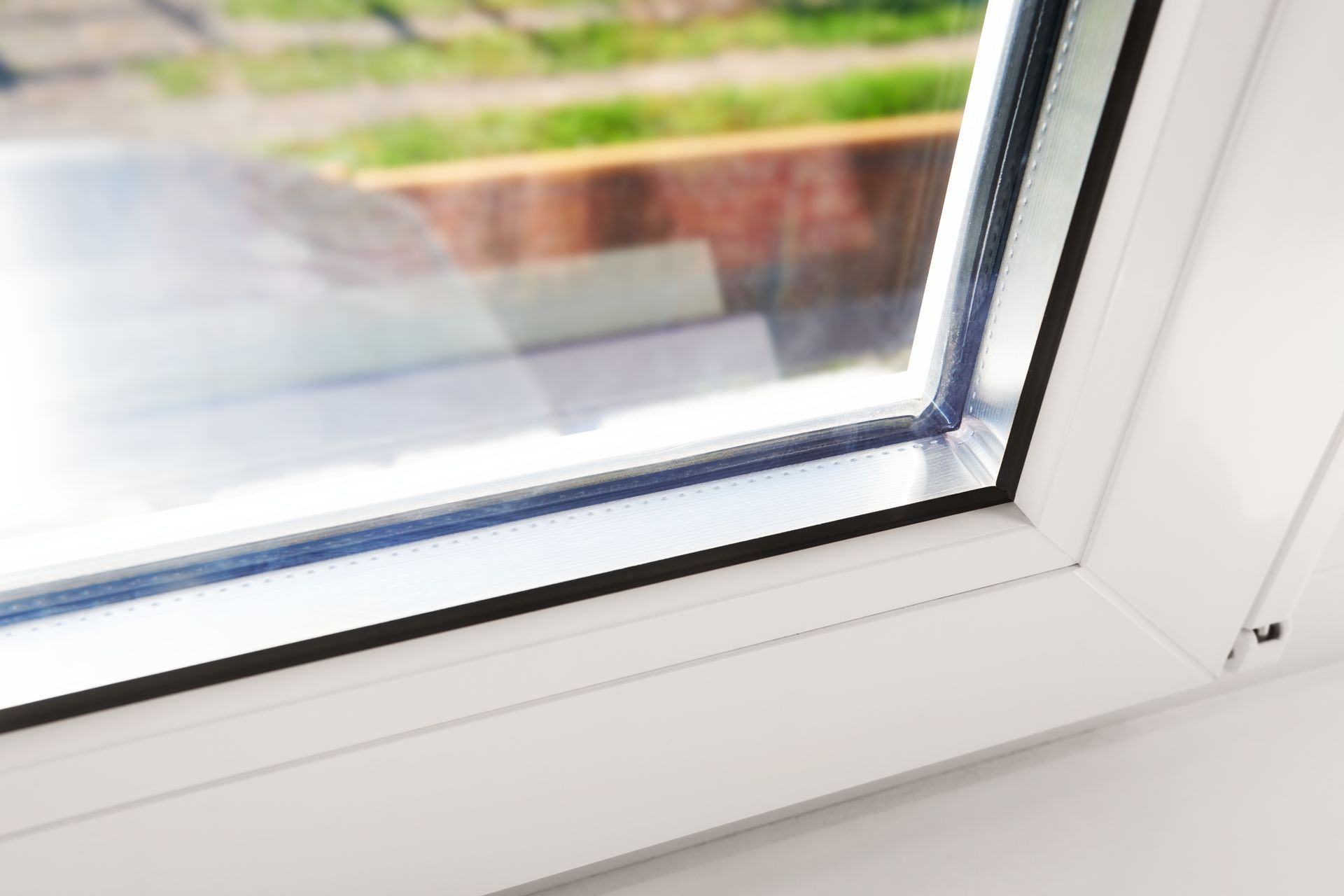
For homeowners seeking to make their properties more comfortable and sustainable, installing a double-glazed, energy-efficient window in Kingston, TAS, is one of the smartest decisions you can make. Tasmade Window Replacements helps locals transform their living spaces by offering window solutions that improve energy efficiency year-round. If you’ve heard friends talking about their new windows but you’re not sure what’s involved in the process, this guide will walk you through what to expect from your first chat with a window specialist right through to the finished pane.
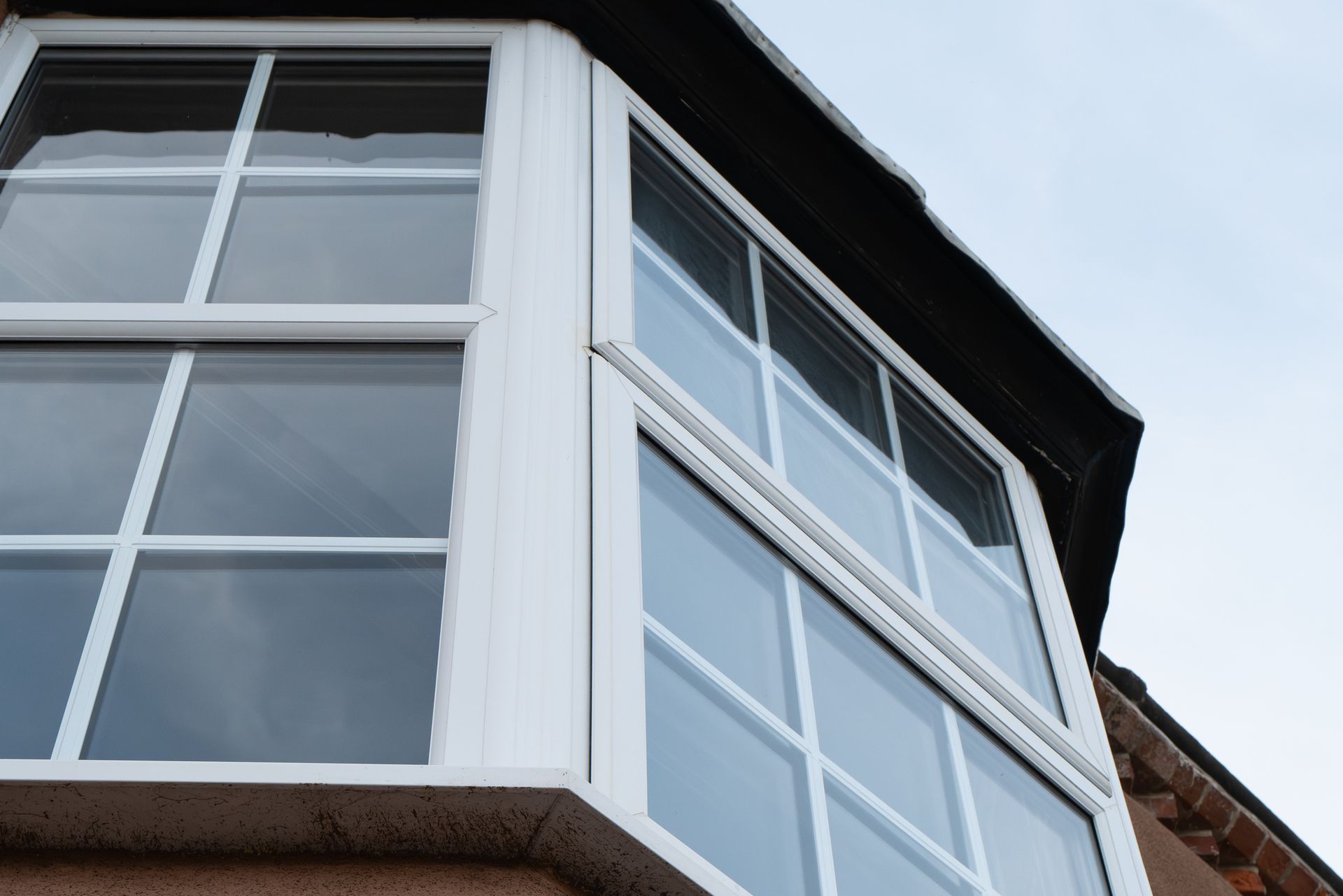
Aluminium windows are increasingly popular across Kingston, TAS, for their durability, aesthetic appeal, and energy efficiency. When selecting aluminium windows, it’s important to consider how they will complement your home’s design while improving comfort and performance. At Tasmade Window Replacements, we specialise in aluminium windows and can guide you in making choices that suit your home. Contact us today at 03 6272 8416 to explore your options. The advantages of aluminium windows extend beyond style. Their lightweight yet strong frames resist warping, corrosion, and weathering, making them ideal for the Tasmanian climate. With proper installation, aluminium windows provide long-term energy efficiency and low maintenance.
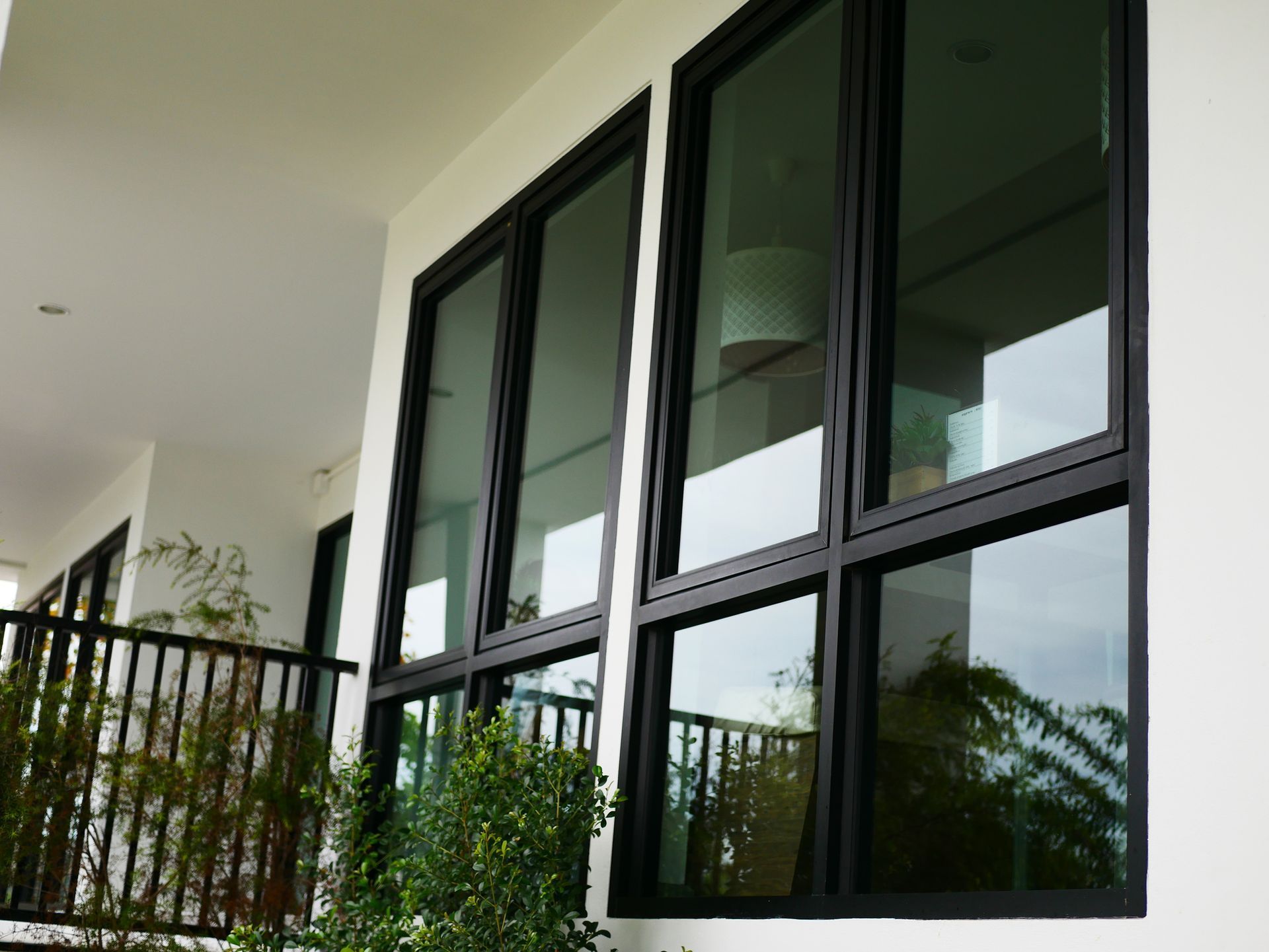
A modern home makeover in the island’s capital begins at the edges—where walls meet light, where rooms open to views, and where everyday comfort is crafted. When you choose residential aluminium windows for Hobart, TAS, from Tasmade Window Replacements, you’re opting for a crisp, contemporary profile that redefines space without shouting for attention. These sleek frames create expansive glass areas, sharpen your street appeal, and deliver a sense of calm, uncluttered order inside. If you’ve been wondering how to lift both the aesthetics and liveability of your place—whether it’s a heritage cottage in New Town or a coastal build looking onto the River Derwent—this guide explores how a thoughtful upgrade can refresh what you see, how you feel, and how your home performs all year.




